How to Compare Event and Conference Management Companies in Saudi Arabia

How to Compare Event and Conference Management Companies in Saudi Arabia
When comparing event and conference management companies in Saudi Arabia, focus on relevant experience, service scope, production capabilities, supplier coordination, and risk management—not just the price.
Two companies may quote for the same event but offer very different levels of responsibility. One proposal might include technical production, guest management, and on-site coordination, while another leaves these elements to separate suppliers.
The best way to compare potential partners is to provide them with the same event brief, evaluate their proposed scope of work, and understand who will be responsible for each stage of delivery.
Here are eight criteria to help you make a more informed decision.
1. Experience and Portfolio
Start by reviewing the company’s experience with projects similar to yours.
Managing a corporate conference requires different capabilities from organizing an exhibition or delivering an interactive brand experience. A company may have an impressive portfolio without necessarily having the right experience for your event.
Consider the following:
Types of events previously delivered.
Scale and complexity of previous projects.
Experience with corporate or institutional clients.
Relevance of past projects to your requirements.
Quality of execution shown in the portfolio.
Rather than focusing on the number of completed projects, look for examples that demonstrate the company’s ability to handle requirements similar to yours.
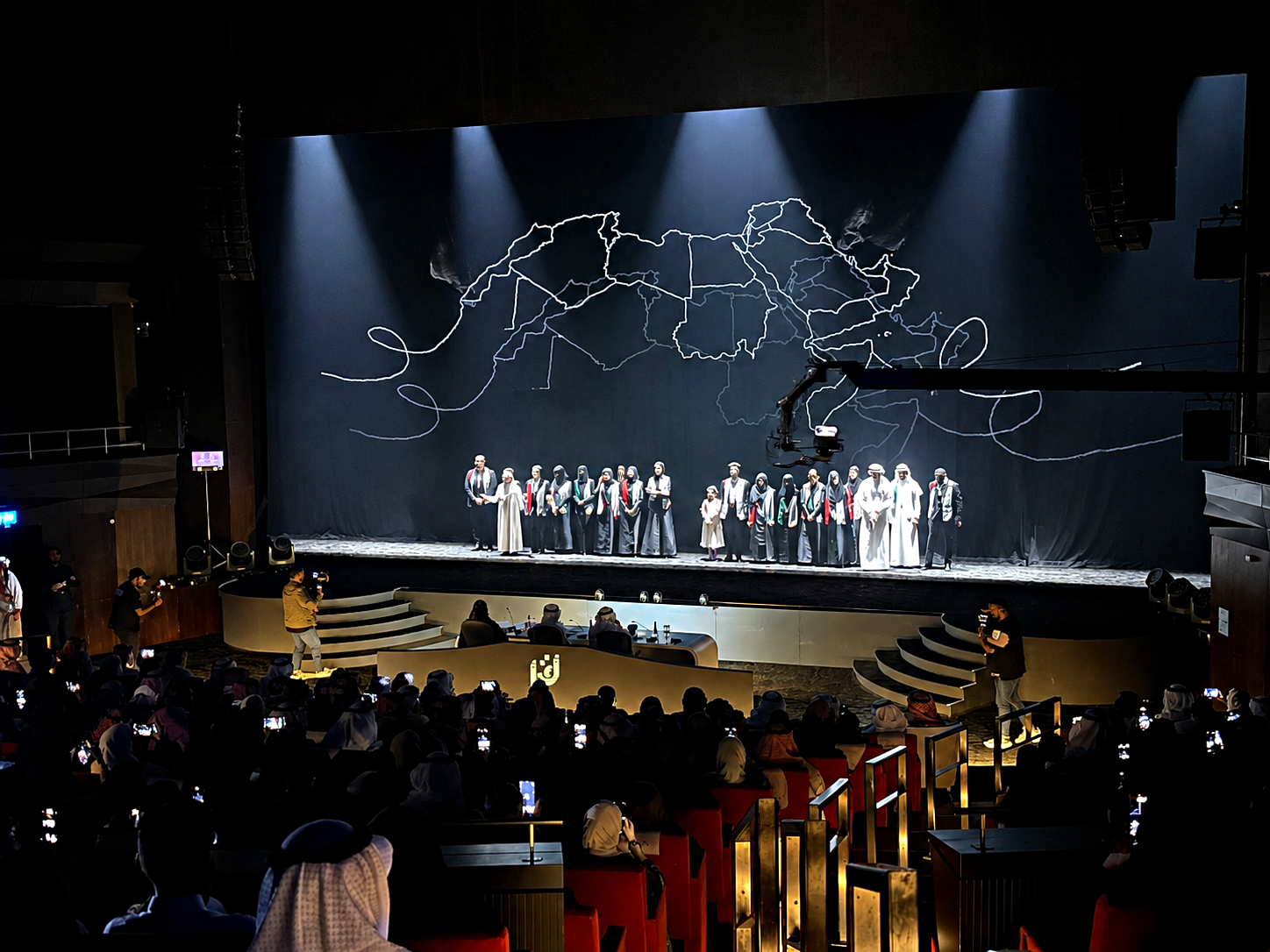
You can explore KNOW’s event management work to see examples of event-related projects.
2. Scope of Services
Before comparing quotations, understand exactly what each company is proposing to deliver.
Event management proposals may include planning, design, production, registration, hospitality, speaker coordination, guest management, and media coverage. However, these services should never be assumed to be included unless they are clearly stated.
Ask each company to provide a detailed Scope of Work covering:
Included and excluded services.
Specific deliverables.
Responsibilities of the client and event company.
Project timeline and milestones.
Review and approval stages.
Additional costs and conditions for changes.
For example, a quotation that includes stage production may not necessarily include audiovisual equipment, installation, technical operators, or dismantling.
These details can make a significant difference when comparing proposals.
3. Supplier and Partner Management
Conferences and exhibitions often involve several suppliers working within the same schedule.
Depending on the event, these might include production companies, exhibition contractors, technology providers, hospitality teams, printing suppliers, and photography crews.
The challenge is not simply selecting suppliers. It is making sure their work is coordinated.
Ask potential event partners:
Who is responsible for communicating with suppliers?
How are supplier deadlines monitored?
Who checks the quality of delivered work?
How are delays or changes handled?
Who makes the final decisions when suppliers have conflicting requirements?
Clear supplier responsibilities help prevent misunderstandings and reduce the risk of delays during preparation and installation.
4. Project Management and Communication
Even a well-designed event can face difficulties when communication and responsibilities are unclear.
Before choosing an event management company, find out how the project will be managed.
Ideally, the proposal should identify a responsible project manager or team and explain how updates, approvals, and changes will be handled.
Important questions include:
Who will be the main point of contact?
How frequently will progress updates be shared?
How will tasks and deadlines be tracked?
Who approves designs and production deliverables?
What is the escalation process for urgent issues?
How will the team communicate during the event?
For conferences, communication becomes particularly important when managing speakers, session schedules, presentations, and attendee movements.
For more information, read our guide to professional conference management and attendee experience.
5. Production and Execution Capabilities
A creative event concept is only as effective as its execution.
When evaluating event management companies, look beyond visual presentations and ask how the proposed concept will be delivered on-site.
Depending on the event, production requirements may include:
Stages and presentation platforms.
Audio, lighting, and display screens.
Exhibition stands and visitor spaces.
Branding and signage.
Registration and reception areas.
Technical systems and equipment.
Installation and dismantling schedules.
Ask whether production will be managed directly or through external suppliers, and who will be accountable for quality and deadlines.
It is also useful to understand how the company plans the transition from design approval to installation, technical testing, and event opening.
For a more detailed breakdown, see our exhibition and conference setup checklist.
6. Risk Management and Event Readiness
Live events rarely go exactly as planned.
Supplier delays, technical difficulties, changes in attendance, and last-minute adjustments can affect even carefully organized events.
A reliable event partner should be able to explain how the team prepares for these situations.
Ask about contingency plans for:
Delayed equipment or supplier deliveries.
Technical failures.
Speaker cancellations or schedule changes.
Unexpected attendance levels.
Venue access or installation delays.
Last-minute program modifications.
The objective is not to eliminate every possible risk. It is to understand how the company identifies potential problems, assigns responsibilities, and responds when changes occur.
What Should You Check When Hiring an Event Company in Saudi Arabia?
Events in Saudi Arabia may involve venue-specific requirements, operational approvals, and coordination with different stakeholders.
These requirements vary depending on the event type, location, audience, and organizing entity.
Before signing an agreement, clarify responsibility for:
Applicable permits and approvals.
Venue coordination and access.
Health and safety requirements.
Supplier installation schedules.
Technical and operational readiness.
Stakeholder approvals and reporting.
On-site supervision.
Do not assume that the event management company will automatically handle every approval or operational requirement.
Instead, make sure these responsibilities are documented in the Scope of Work, including any arrangements that remain the client’s responsibility.
This is particularly important for corporate and institutional events involving several departments or external partners.
7. How to Compare Event Management Quotations
The lowest quotation is not necessarily the best value.
A lower price may reflect a smaller service scope rather than a more competitive offer.
To compare quotations fairly, ask shortlisted companies to respond to the same event brief and specify exactly what is included.
Use the following checklist:
| Evaluation Area | What to Compare |
|---|---|
| Experience | Similar projects, event types, and portfolio quality |
| Project Management | Responsible team, milestones, and communication |
| Production | Equipment, installation, technical support, and execution |
| Design and Branding | Design responsibilities and production deliverables |
| Supplier Management | Supplier coordination and accountability |
| Guest Management | Registration, hospitality, and attendee coordination |
| Risk Management | Contingency plans and escalation procedures |
| Pricing | Itemized costs, exclusions, and potential additional charges |
| On-Site Operations | Team responsibilities and operational supervision |
| Post-Event Support | Reporting and agreed final deliverables |
For each item, record whether it is included, excluded, or requires clarification.
This makes it easier to identify the actual differences between proposals.
Questions to Ask Before Approving a Quotation
Before making a final decision, consider these questions:
Are all companies quoting against the same requirements?
Are the proposed deliverables clearly defined?
Who is responsible for coordinating external suppliers?
What happens if the event scope changes?
Are there additional costs that may arise during execution?
What support will be available during and after the event?
Understanding the factors behind event pricing is equally important. Our article on event management costs in Riyadh explains the considerations that can influence an event budget.
8. Post-Event Support and Evaluation
An event management company’s responsibilities may continue after the event ends, depending on the agreed scope of work.
Post-event activities can include:
Reviewing attendee feedback.
Evaluating project objectives.
Delivering agreed photography or media materials.
Reviewing supplier performance.
Preparing final reports.
Documenting recommendations for future events.
These activities can be particularly valuable for recurring conferences, exhibitions, and corporate events.
Before selecting a company, confirm which post-event deliverables are included and when they will be provided.
Choosing the Right Event Management Partner
Choosing between event and conference management companies in Saudi Arabia requires more than comparing prices or creative concepts.
The most suitable partner is the one whose experience, capabilities, proposed scope, and delivery approach match your event requirements.
Before making your decision, request a detailed proposal, clarify responsibilities, and evaluate how each company plans to manage the project from preparation through execution.
Planning an Event in Saudi Arabia?
KNOW brings together event management and creative experiences to support projects with different objectives and audiences.
Whether you are planning a corporate event, conference, or exhibition, the starting point is understanding your requirements and identifying the right execution scope.
Have an upcoming event?
Share your project brief with KNOW to discuss your objectives, requirements, and the next steps.