How Do Interactive Events Create an Unforgettable Experience for Attendees

Interactive events create memorable experiences by giving attendees an active role rather than making them passive spectators. Through hands-on workshops, live activities, interactive spaces, and audience participation, organizers can turn an ordinary event into an experience people engage with and remember.
For corporate events, exhibitions, and cultural programs in Saudi Arabia, the challenge is to design activities that support the event’s purpose while encouraging meaningful participation.
The most effective interactive experiences are not necessarily the most elaborate. They are the ones that make sense for the audience.
What Are Interactive Events?
Interactive events are designed to encourage direct participation between attendees, activities, and the event environment.
Instead of simply watching a presentation or visiting an exhibition space, attendees are invited to take part in the experience.
Common formats include:
Hands-on workshops: Activities where participants learn, create, or try something themselves.
Live demonstrations: Experiences that allow attendees to observe a process and interact with presenters.
Interactive exhibition spaces: Areas designed to encourage exploration and participation.
Audience-led activities: Sessions involving questions, discussions, or group participation.
Creative and cultural experiences: Activities that connect audiences with art, storytelling, or local culture.
The right format depends on the audience, available space, event objectives, and overall program.
Why Do Interactive Experiences Matter?
An event can be professionally organized and still struggle to hold an audience’s attention.
Interactive elements help address this by creating opportunities for attendees to participate rather than simply observe.
1. Encouraging Audience Engagement
When visitors have something meaningful to do, they have more reasons to participate and spend time within the experience.
A hands-on activity, for example, can create a different kind of engagement from a traditional presentation.
2. Creating More Memorable Moments
People may not remember every presentation or visual detail, but they are more likely to recall an experience they personally participated in.
This makes interactive activities particularly relevant for brand activations, cultural events, and corporate gatherings.
3. Supporting Connections Between Attendees
Group activities and shared experiences create opportunities for communication.
In corporate settings, this can support team interaction. At public events, it can encourage conversations between visitors who may not otherwise meet.
4. Connecting the Experience to Event Objectives
Interactivity should serve a purpose.
A cultural event might use creative workshops to encourage exploration. A corporate gathering might introduce collaborative activities. An exhibition might use demonstrations to help visitors better understand a product or concept.
The activity should support the event, not distract from it.
Types of Interactive Experiences for Events in Saudi Arabia
Different event formats call for different approaches.
Creative Workshops
Workshops are especially useful when organizers want attendees to participate directly.
Activities such as perfume making, arts and crafts, or other creative sessions can bring people together around a shared experience.
These formats can work within cultural programs, corporate gatherings, and public events when they are appropriate for the audience.
Explore KNOW’s creative workshop experiences for examples of how hands-on activities can become part of an event.
Interactive Exhibition Areas
Exhibition spaces can offer more than information displays.
Depending on the exhibition’s purpose, visitors might engage with product demonstrations, explore themed environments, or participate in guided activities.
The goal is to make the experience more accessible and encourage visitors to spend time engaging with the subject.
Corporate Team-Building Activities
Interactive experiences can also be incorporated into internal corporate events.
Collaborative challenges, group workshops, and structured team activities provide opportunities for employees to communicate and work together outside their usual environment.
The format should reflect the group’s needs rather than relying on activities that may not suit every participant.
Live and Cultural Experiences
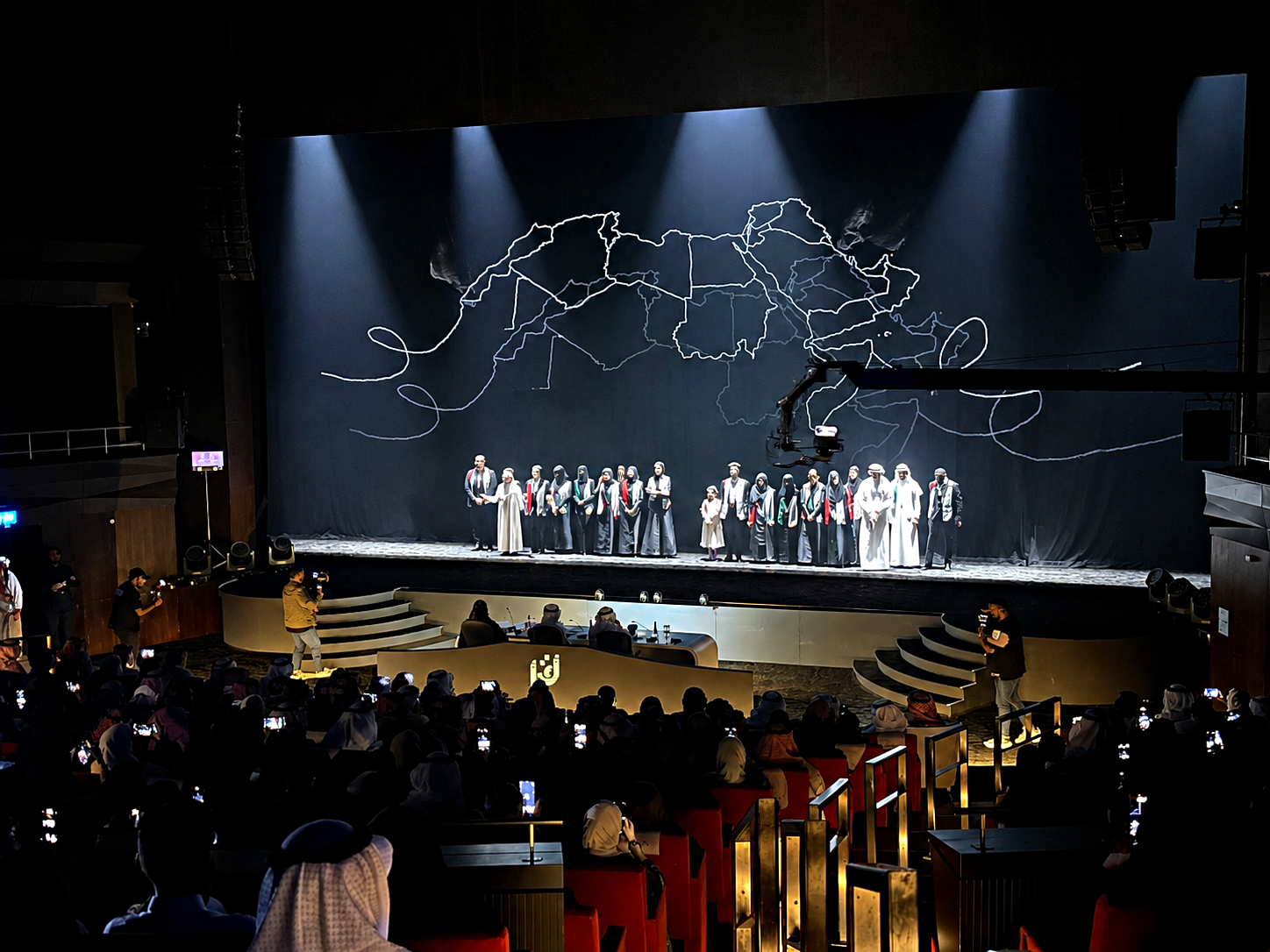
Cultural programs and public events can incorporate demonstrations, creative activities, and audience participation.
These elements work best when they complement the event’s cultural or educational purpose.
KNOW’s Experience with Interactive Events
KNOW’s event portfolio includes projects across different formats, audiences, and environments.
Examples featured in its portfolio include a FIFA World Cup Event, cultural programs, and team-building experiences.
These projects reflect the variety of settings in which audience participation and event experiences can play an important role.
Seasonal and cultural event formats may also incorporate elements such as art exhibitions, bazaars, creative workshops, and activities for families and children.
Explore KNOW’s event management portfolio to see selected projects and the different types of events featured in our work.
How to Plan an Interactive Event That Works
Adding activities to an event is relatively straightforward. Making those activities work together requires planning.
Start with the Audience
Before choosing an interactive activity, consider who will attend.
A family-focused public event will have different requirements from a corporate conference or an exhibition for industry professionals.
Age groups, interests, accessibility, and expected attendance can all influence the experience.
Give Every Activity a Purpose
Ask what each activity contributes to the event.
Is it designed to encourage networking, introduce a concept, create a memorable brand interaction, or give visitors something new to experience?
A clear objective makes it easier to select suitable activities.
Plan the Visitor Journey
Consider how attendees will move between different areas.
An interactive activity can create queues or congestion if its location, capacity, or duration has not been considered.
Think about registration, access, activity schedules, and the transition between spaces.
Coordinate Production and Operations
Interactive experiences often depend on several elements working together, including space planning, equipment, facilitators, timing, and on-site supervision.
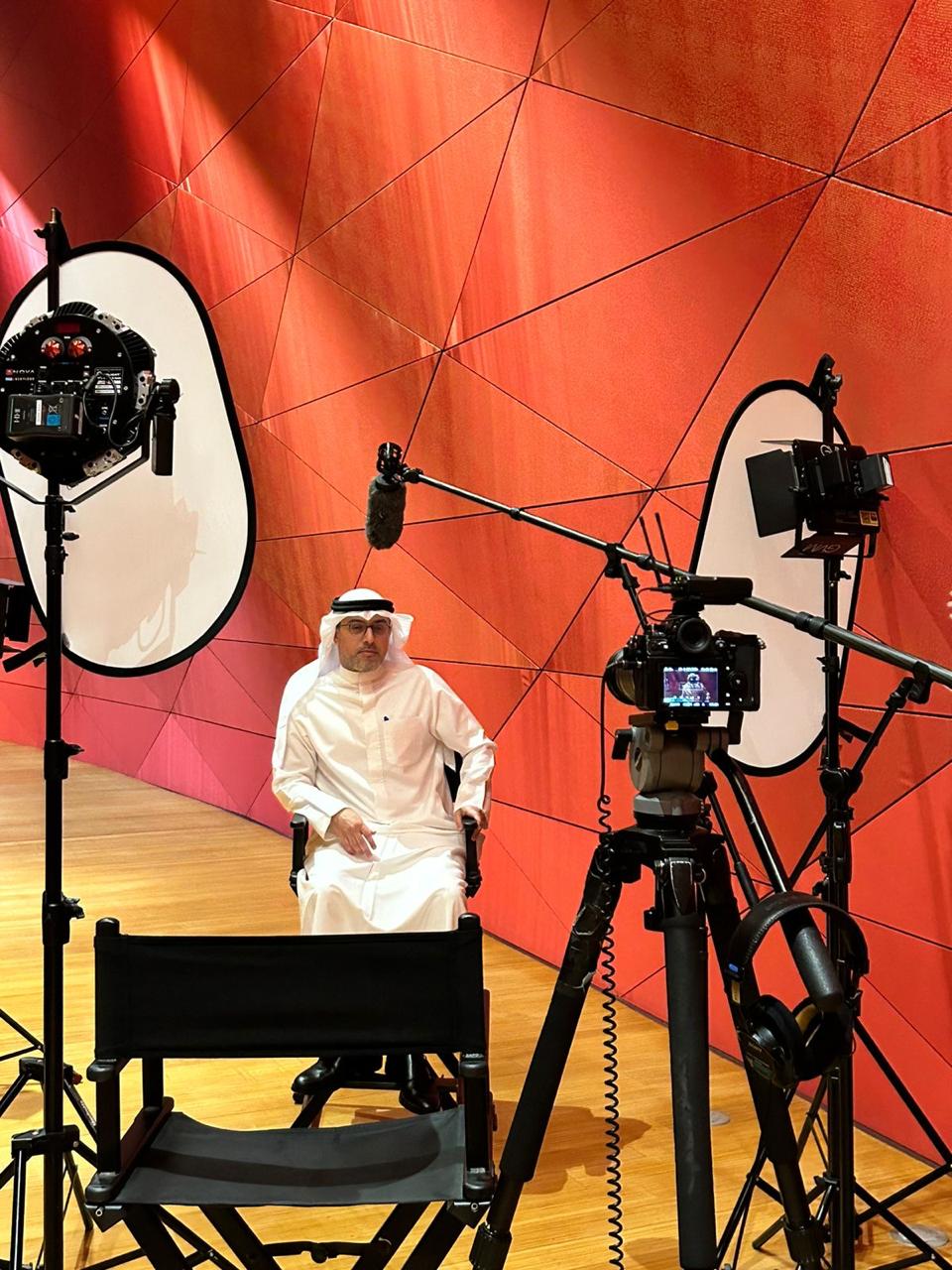
Where visual storytelling or event coverage is required, media production may also form part of the wider event plan.
Make Participation Easy
Attendees should understand what an activity involves without needing lengthy instructions.
Clear signage, welcoming facilitators, and appropriate activity durations can make participation more comfortable.
For more ideas, read our guide on how interactive workshops enhance the attendee experience.
How Can You Measure the Success of an Interactive Event?
A visually impressive activity does not automatically mean it achieved its purpose.
The right measures depend on the event’s objectives, but organizers can consider:
Participation: How many attendees joined the activities?
Engagement: How actively did participants interact with the experience?
Visitor feedback: What did attendees enjoy or find difficult?
Operational performance: Were schedules, capacity, and activity flow managed effectively?
Objective completion: Did the activity support the purpose it was designed to achieve?
These observations can help organizers understand what worked and what could be improved at future events.
Creating Experiences Worth Remembering
An unforgettable event is not simply the result of impressive visuals or a busy activity schedule.
It comes from understanding the audience, choosing relevant experiences, and making sure every element contributes to the event’s overall purpose.
For organizers in Saudi Arabia, interactive activities can provide opportunities to make corporate, cultural, and public events more engaging.
The key is to balance creativity with practical planning and execution.
Planning an Interactive Event in Saudi Arabia?
KNOW works across event management and creative experiences, bringing together planning, coordination, and event execution according to each project’s requirements.
Whether you are developing a corporate gathering, cultural program, or interactive event concept, share your ideas and objectives with our team.