Professional Conference Management: From Speaker Management to Attendee Experience

Professional conference management involves much more than booking a venue and preparing a stage.
A successful conference is an integrated experience that connects content, speaker management, registration, production, hospitality, attendee experience, and real-time operations.
Because conferences involve multiple moving parts, preparation should begin well before the event and continue through on-site execution and post-event evaluation.
1. Define the Conference Concept and Objectives
Before focusing on operational details, the organization should define what the conference is expected to achieve.
The objective may be knowledge sharing, bringing industry professionals together, creating business connections, launching an initiative, or strengthening the organizer’s presence.
A clear objective helps define:
- Target audience.
- Conference topics.
- Relevant speakers.
- Program structure.
- Conference duration.
- Attendee experience.
- Success indicators.
Without this foundation, individual elements can become disconnected instead of contributing to one complete experience.
2. Speaker and Program Management
Speakers are among the most important parts of a conference, making speaker management a critical preparation stage.
The process includes identifying suitable speakers, confirming participation, collecting required information, coordinating arrival times, and receiving presentation materials.
The conference program should also clearly define:
- Session times.
- Session duration.
- Breaks.
- Speaker schedules.
- Panel discussions.
- Transitions between sessions.
A clear program helps both speakers and the operations team maintain the conference schedule.
3. Design the Attendee Experience
Attendees do not experience a conference as a simple schedule of sessions. Their journey begins before they arrive.
It includes registration, pre-event information, arrival, reception, entry, navigation, sessions, breaks, and networking.
The planning team should consider:
- Ease of registration.
- Clarity of information.
- Entry speed.
- Wayfinding.
- Seating.
- Break areas.
- Networking spaces.
- Access to sessions.
Each touchpoint contributes to the overall perception of the conference.
4. Venue, Production, and Technology
The venue should match the expected attendance and conference format.
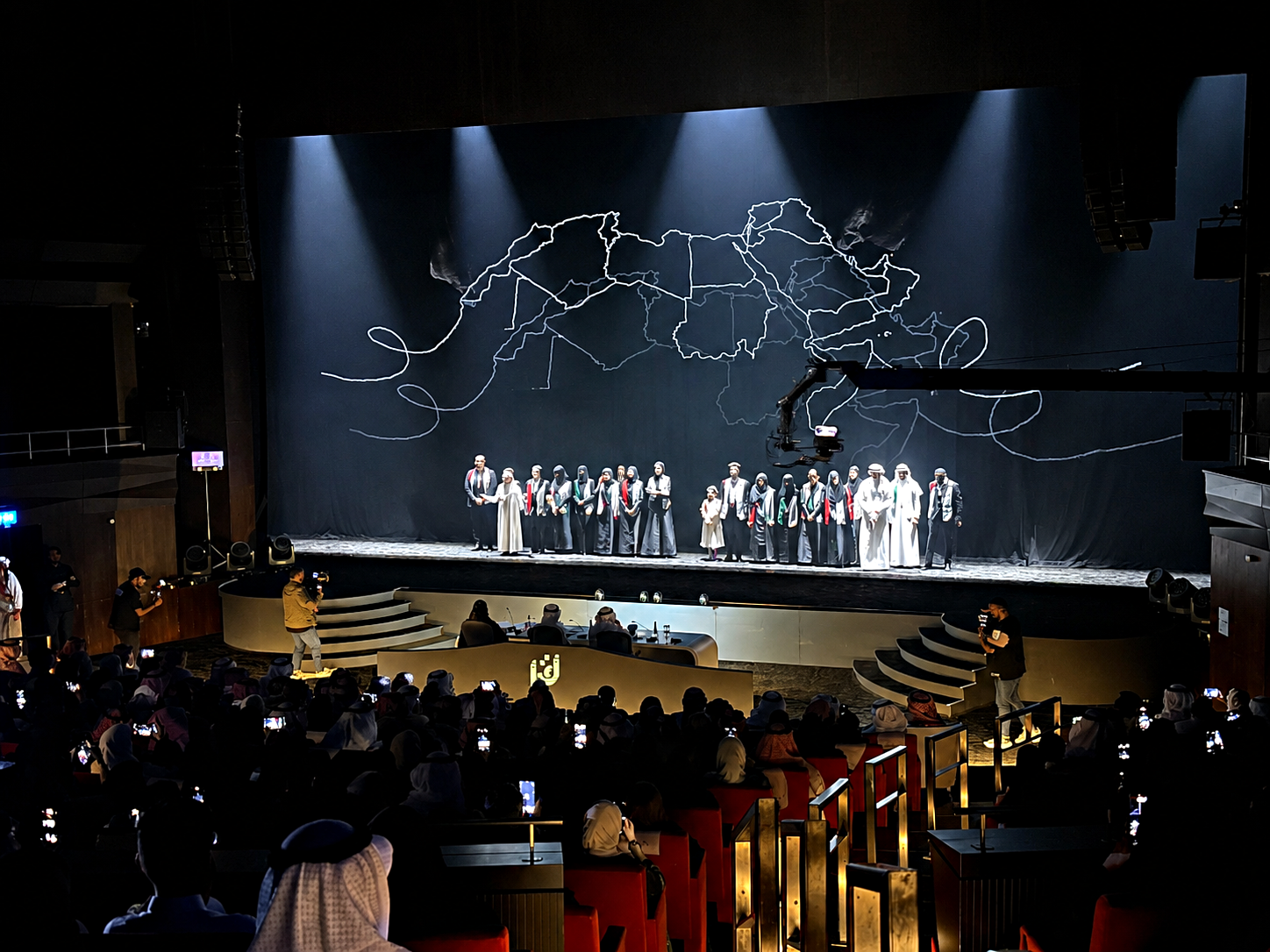
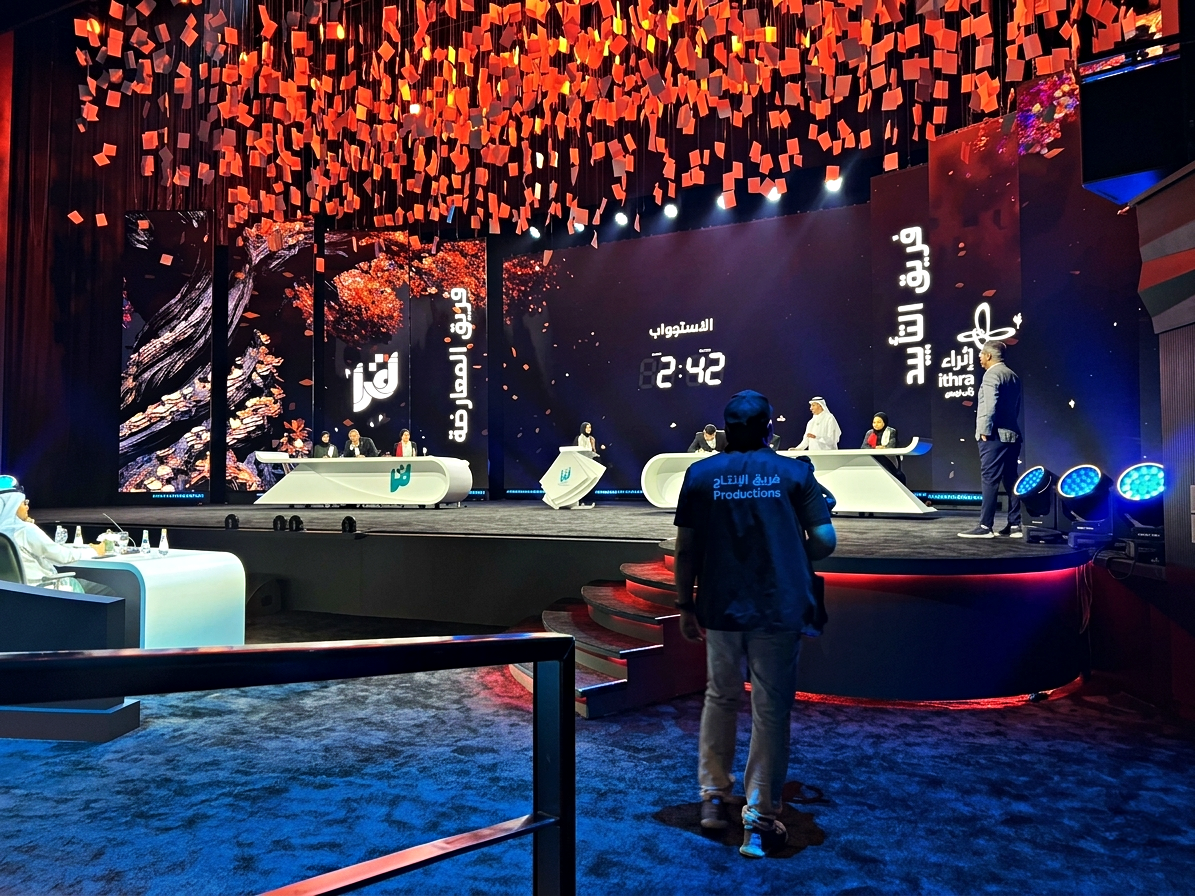
Production requirements may include stages, screens, sound systems, lighting, presentation systems, and other technical elements.
These systems should be tested before the event rather than discovered on the day itself.
A dedicated technical team should also be available during the conference to respond quickly to any issues.
5. Visual Identity and Branding
A consistent visual identity helps create a unified conference experience.
Branding may appear across:
- Stage design.
- Screens.
- Registration areas.
- Signage.
- Badges.
- Printed materials.
- Interactive spaces.
- Session content.
The goal is not simply to add branding, but to integrate it naturally into the attendee experience.
6. Managing Conference Day
On conference day, the plan becomes a live operation.
Before attendees arrive, the team should review venue readiness, technology, registration, hospitality, speakers, and content.
During the conference, the team continuously monitors timing, coordinates with speakers, manages attendee movement, and responds to changes or delays.
This is where operational experience becomes critical. Live events require quick decisions and continuous coordination between multiple teams.
7. Documentation and Content Creation
A conference can continue generating value after the event ends.
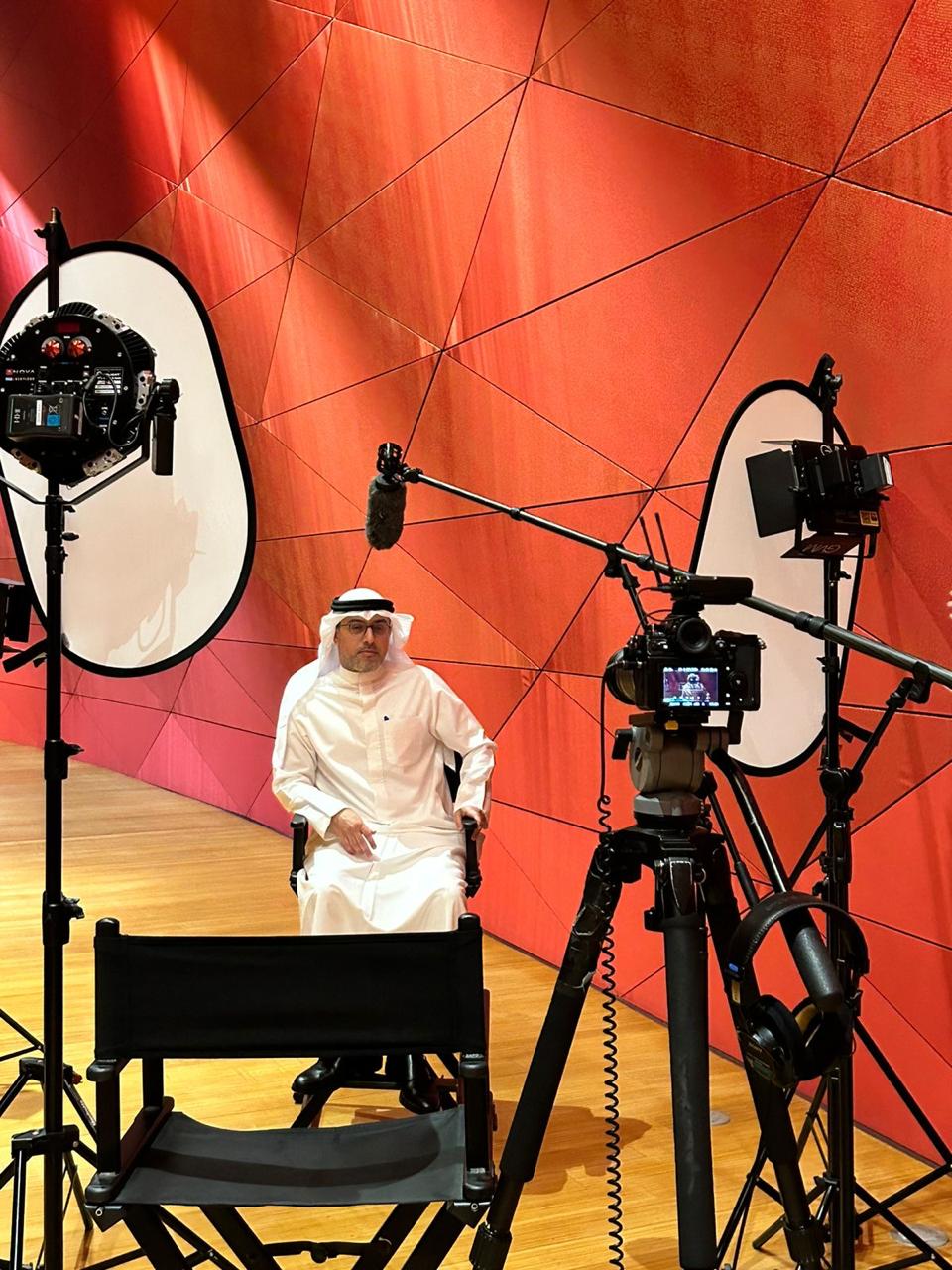
Photography, video, interviews, session documentation, and key moments can become content for marketing and communication after the event.
Important insights and discussions can also be adapted into social media content, reports, and future communications.
8. Measuring Results After the Conference
After the conference, the team should return to the original objectives and evaluate the results.
Possible measurements include:
- Registrations and attendance.
- Audience participation.
- Engagement.
- Participant feedback.
- Speaker performance.
- Supplier performance.
- Content generated.
- Results compared with the original objectives.
The purpose of evaluation is not only to determine whether the conference succeeded, but also to identify opportunities for improvement.
Case Study and Practical Experience
The value of integrated conference management becomes clearer when applied to real projects, where content, speakers, production, operations, and attendee experience must work together.
You can explore KNOW’s conference experience through the Learning Beyond case study to see a practical example of managing conference requirements and delivering the overall experience.
Conclusion
Successful conference management requires connecting every part of the experience, from defining objectives and building the program to managing speakers, preparing the venue, handling production and registration, operating the event, and measuring results.
When these elements work together within one structured plan, organizations can deliver conferences that are organized, purposeful, and engaging.
At KNOW, we approach conferences as complete experiences that require detailed planning, structured management, and professional execution.
Request integrated conference management from KNOW and let us turn your objectives into a well-organized experience from planning through execution.