Exhibition and Conference Setup Checklist: Everything You Need Before Opening

A successful exhibition or conference does not begin on opening day. It starts with the details prepared, tested, and reviewed during the weeks leading up to the event.
With multiple elements involved in exhibition and conference setup, even a small missed detail can affect the attendee experience or the overall operational schedule.
A practical checklist helps turn preparation into clear steps that can be tracked and approved before the doors open.
1. Venue and Space
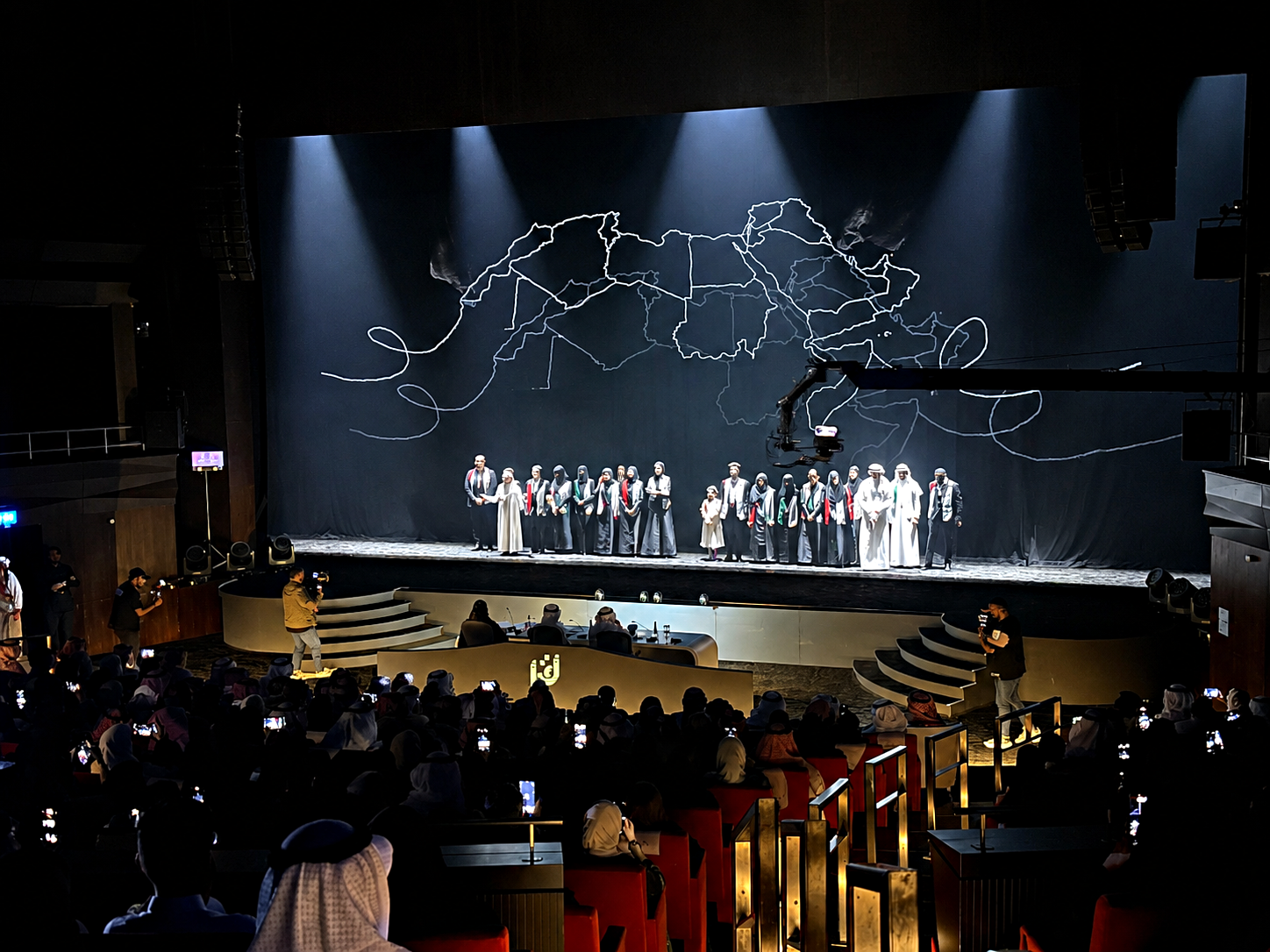
The venue should be reviewed well before the event to ensure that the layout supports the event format and expected attendance.
Check:
- Venue capacity.
- Entry and exit points.
- Registration and reception areas.
- Session and speaker areas.
- Hospitality zones.
- VIP areas when required.
- Attendee movement.
- Signage and wayfinding.
Effective space planning helps reduce congestion and makes the attendee journey easier.
2. Technology and Production
Conferences and exhibitions require thorough technical and production checks before opening.
Review:
- Audio systems.
- Microphones.
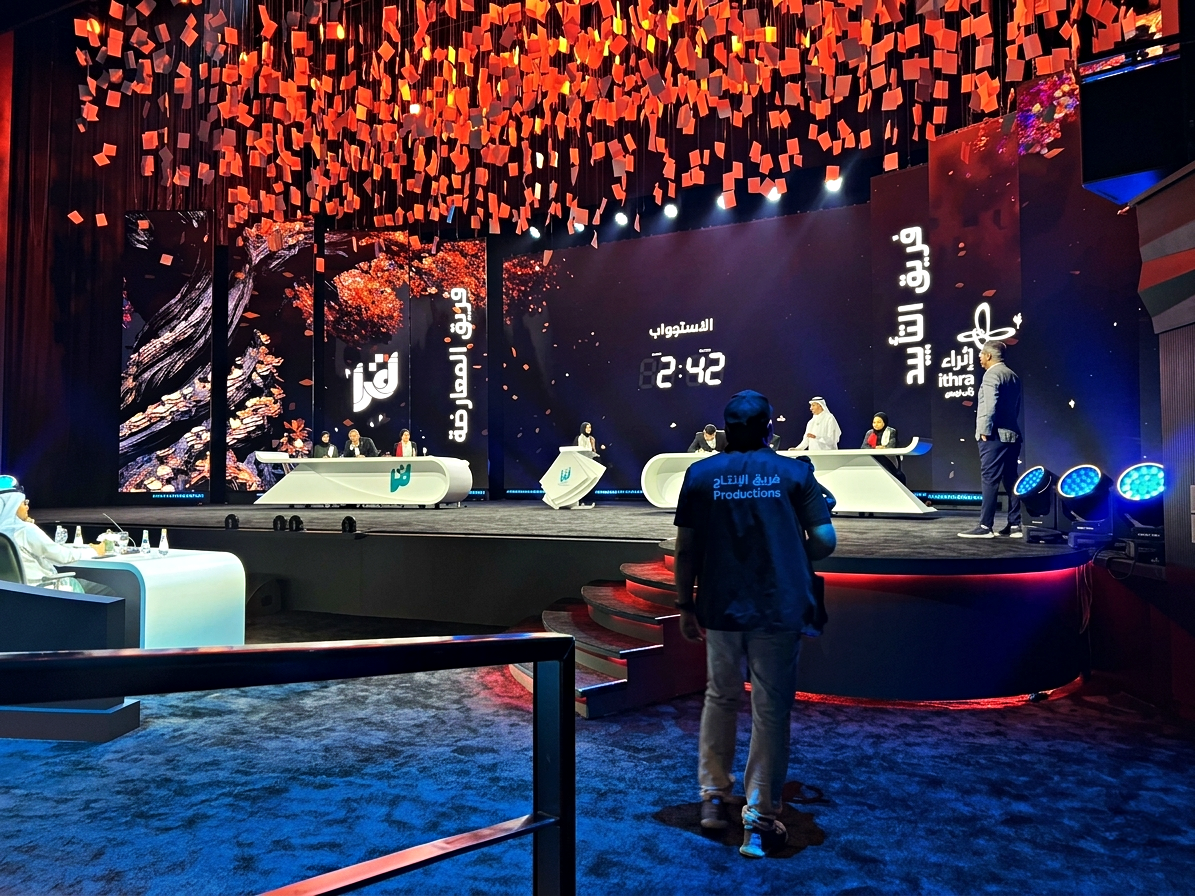
- Screens.
- Presentation systems.
- Lighting.
- Content playback systems.
- Presentations.
- Power requirements.
- Technical connectivity.
Equipment should not only be present but fully tested before the event begins.
3. Design and Visual Identity
All visual elements should be reviewed to ensure consistency with the organization’s identity.
The checklist may include:
- Stage design.
- Screens.
- Signage.
- Wayfinding.
- Reception areas.
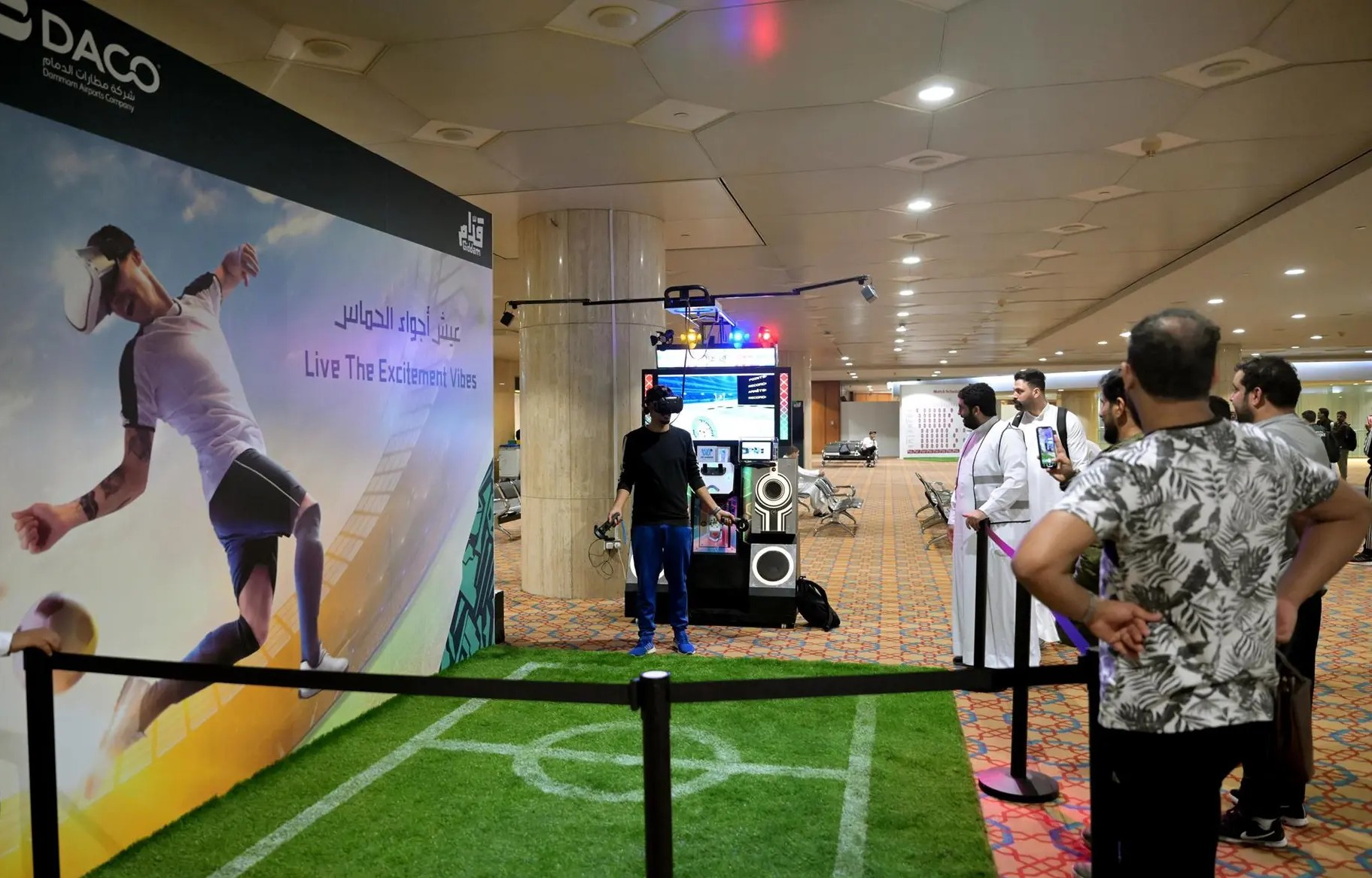
- Exhibition stands and spaces.
- Printed materials.
- On-site branding.
Every element should be placed correctly and use the final approved version.
4. Speakers and Guests
For conferences, speaker management is one of the most important preparation stages.
Confirm:
- Speaker attendance.
- Session schedules.
- Presentation files.
- Arrival times.
- Speaker coordination.
- Names and information.
- Technical requirements.
Each speaker should know their session time, location, and preparation schedule.
5. Registration and Attendee Experience
The attendee journey should be tested from arrival until entry into the conference sessions or exhibition areas.
Review:
- Registration desks.
- Guest lists.
- Badges or access credentials.
- Reception staff.
- On-site registration process.
- Wayfinding.
- Entry routes.
- Waiting areas.
A clear and efficient arrival process creates a stronger first impression.
6. Media and Content
If the event includes media coverage or content production, these requirements should be planned before opening.
Consider:
- Photography and video teams.
- Shooting locations.
- Required shots.
- Speaker and guest interviews.
- Social media content.
- Media interviews.
- Dedicated content areas when required.
Planning the coverage in advance helps prevent important moments from being missed.
7. Hospitality and Services
All guest services should be ready before the doors open.
This may include:
- Hospitality.
- Water and refreshments.
- Seating areas.
- VIP services.
- Guest-service staff.
- Cleaning.
- Event-specific guest requirements.
8. Final Pre-Opening Check
Before attendees arrive, all teams should complete a final readiness check.
Review:
- Venue readiness.
- Production and technology.
- Registration.
- Hospitality.
- Speakers.
- Signage.
- Content.
- Event staff.
- Communication channels.
- Event schedule.
A useful approach is to simulate the attendee journey from arrival to departure and identify any points of confusion or delay.
Event Day
The checklist becomes an ongoing operational process once the event begins.
Teams should monitor:
- Session timing.
- Attendee movement.
- Speaker readiness.
- Technical performance.
- Suppliers.
- Registration.
- Hospitality.
- Unexpected changes.
Clear responsibilities allow the team to respond quickly without disrupting the attendee experience.
After the Event
Preparation does not end when the doors close.
The team should review dismantling, equipment collection, content and photography organization, supplier performance, and operational lessons for future events.
Conclusion
Preparing exhibitions and conferences requires a detailed checklist covering the venue, technology, design, speakers, registration, media, hospitality, and operations.
Starting the review early makes it easier to identify and solve issues before they affect opening day.
At KNOW, we connect planning, preparation, and on-site operations to ensure that every element contributes to one integrated event experience.
Download your event preparation checklist and contact KNOW to manage your exhibition or conference from planning through opening day.