Exhibition and Conference Management: From the First Idea to Opening Day

Successful exhibition and conference management is not limited to what happens on opening day. It is a complete process that brings together planning, creative development, production, logistics, guest experience, and on-site operations. The strongest events are built long before attendees arrive, with a clear purpose, defined responsibilities, and a realistic execution plan.
Start with a Clear Event Objective
Before choosing a venue, designing the visual identity, or contacting suppliers, define what the event needs to achieve. Is the goal to launch a product, generate leads, strengthen relationships, share knowledge, attract partners, or create an engaging brand experience?
A clear objective shapes the rest of the project. It affects the format, audience size, content program, venue requirements, registration process, production scope, and budget. It also gives the team measurable success indicators, such as registrations, attendance, engagement, qualified leads, or post-event feedback.
Turn the Concept into an Execution Plan
A creative idea is only the starting point. Professional exhibition and conference planning requires a structured roadmap that defines timelines, responsibilities, approvals, suppliers, and dependencies.
The project can be divided into several stages: initial planning, concept and design, production, venue preparation, live operations, and post-event evaluation. Each stage should have clear deadlines and decision owners.
Important planning areas usually include venue selection, floor plans, attendee flow, program scheduling, speaker management, registration, guest services, audiovisual production, branding, and communication before, during, and after the event.
A shared timeline keeps every team aligned and helps identify delays before they affect production or opening day.
Design the Space Around the Attendee Journey
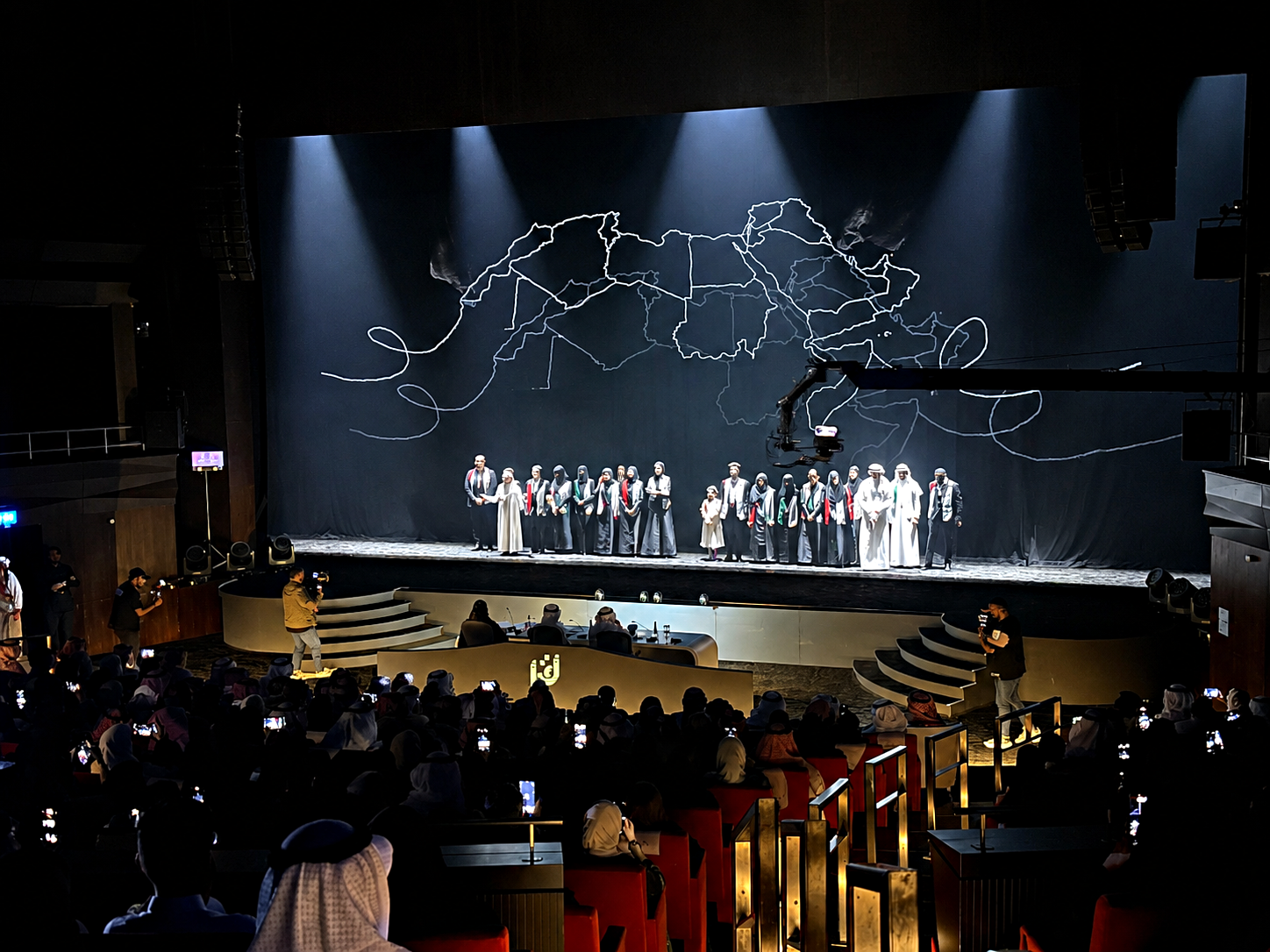
Exhibition and conference setup is more than installing booths, stages, screens, or signage. Every part of the venue should help attendees understand where to go and what to do next.
The journey begins at arrival and registration, then continues through exhibition areas, sessions, networking spaces, hospitality zones, and the exit. Good space planning reduces congestion, improves navigation, and creates a more comfortable experience for guests and operational teams.
Before production begins, conduct a detailed site visit. Review dimensions, loading access, power sources, internet availability, lighting conditions, sound requirements, accessibility, safety considerations, and any restrictions that could affect installation or operation.
Coordinate Teams and Suppliers as One Operation
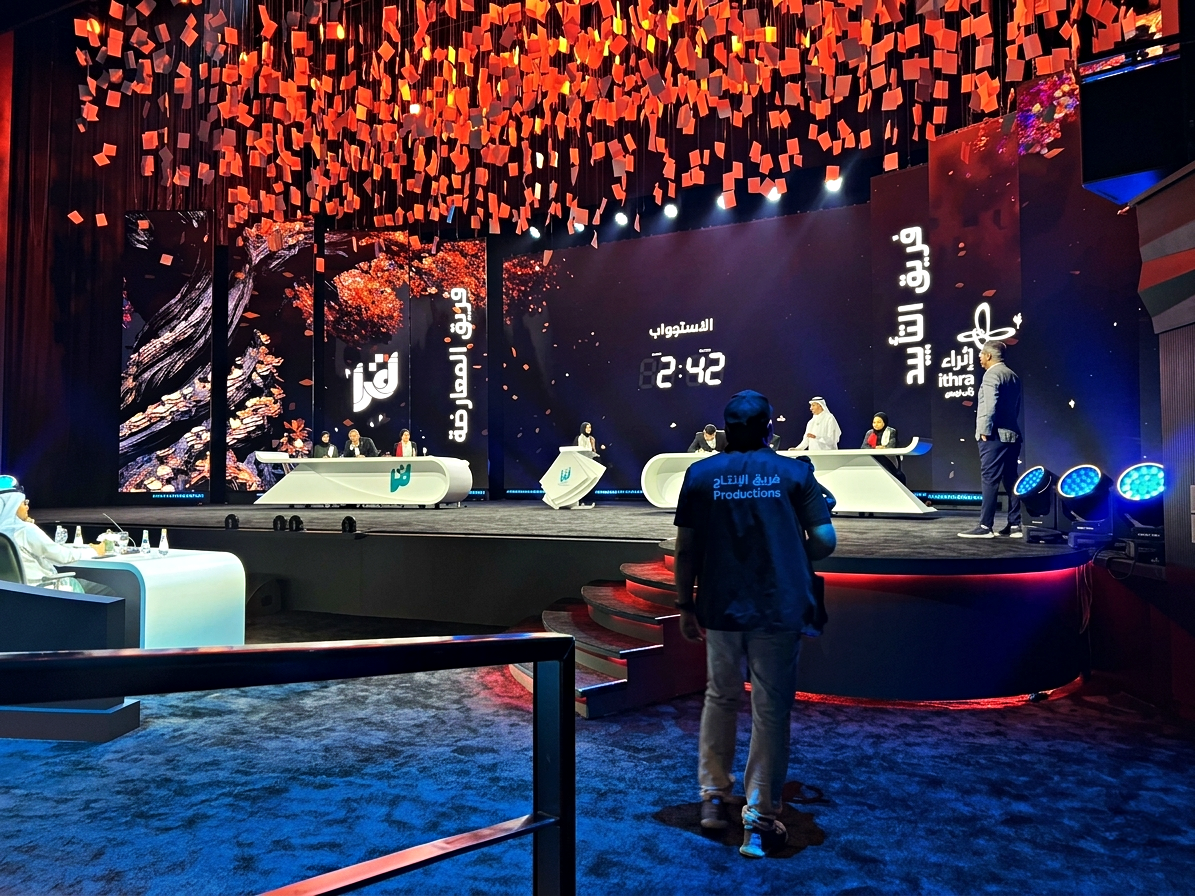
Most events involve several specialized teams, including design, production, audiovisual, photography, hospitality, security, transportation, registration, and content. These teams must work as one operation rather than separate suppliers.
Roles should be clearly assigned, with one central point of contact for major decisions. Operational meetings should be scheduled before the event, and all teams should work from the same master timeline.
A final pre-opening checklist should confirm:
- Venue and space readiness.
- Audio, lighting, screens, and technical systems.
- Speaker and VIP confirmations.
- Printed materials and wayfinding signage.
- Registration and reception procedures.
- Staff roles, escalation points, and emergency procedures.
Rehearsals are especially important for presentations, stage transitions, speaker entrances, videos, and technical elements that directly affect the audience experience.
Opening Day Is Not the Final Step
On event day, the planning document becomes a live operation. The team must monitor attendee flow, timing, technical performance, guest services, and any issues that require immediate action.
After the event, the evaluation stage begins. Attendance data, feedback, supplier performance, content results, and business outcomes should be reviewed against the original objectives. Photos, videos, presentations, and event highlights can also be repurposed for social media, campaigns, reports, and future promotion.
Conclusion
Professional exhibition and conference management is about controlling the full experience from the first concept to post-event evaluation. Strong results come from clear objectives, structured planning, thoughtful venue setup, coordinated teams, and precise execution.
If you are planning an exhibition or conference and need a partner to manage the process from planning to delivery, contact KNOW to request a tailored event proposal.