Exhibition Setup: From Planning to Professional Execution

A successful exhibition depends on much more than an attractive booth or a suitable venue. It requires an integrated process that brings together exhibition setup, planning, production, execution, and on-site management.
Whether the project is a corporate exhibition, a trade event, a product showcase, or a brand activation, exhibition setup should begin well before the event date. Every element needs to be planned and coordinated to ensure that the final experience reflects the brand and supports its objectives.
Stage 1: Define the Exhibition Objectives
Before beginning the exhibition setup, it is important to define what the event is expected to achieve.
The objective may be to launch a new product, increase brand awareness, connect with customers, showcase services, or create new business opportunities.
Clear objectives help determine:
The required exhibition space.
Booth size and layout.
Number of staff needed.
Interactive activities.
Printed and visual materials.
Visitor engagement approach.
A clear objective provides the foundation for every decision that follows.
Stage 2: Plan and Prepare the Space
Once the objectives are clear, the next step is to develop the exhibition space.
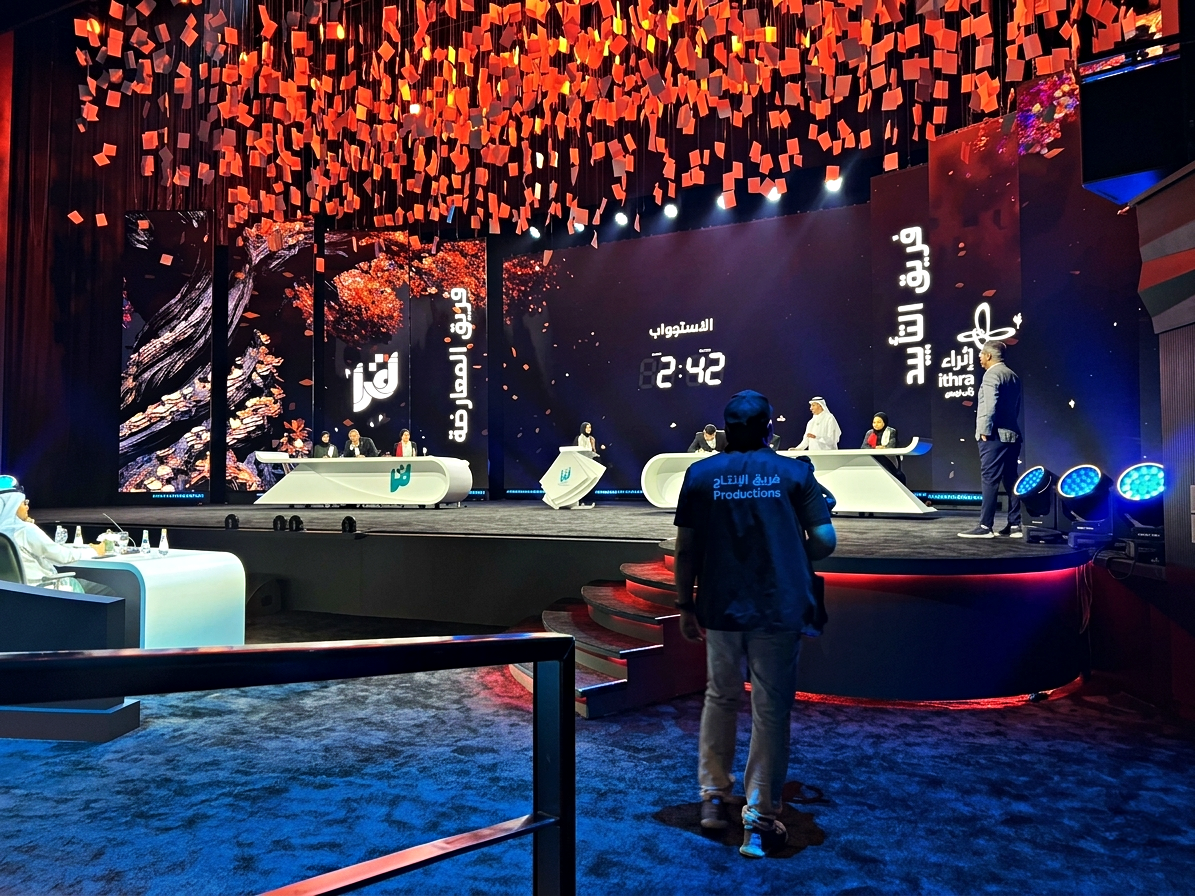
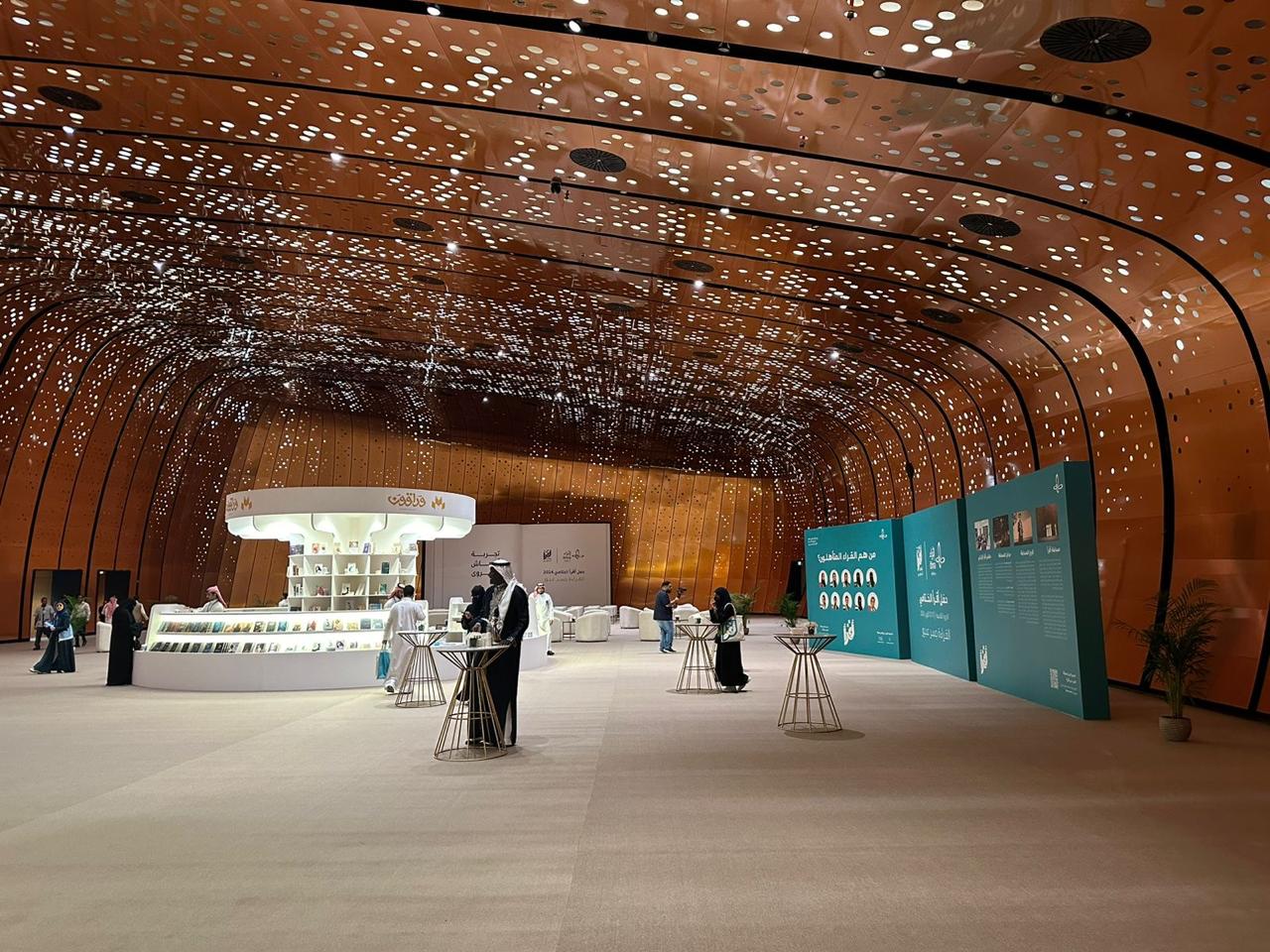
Professional exhibition setup may include space planning, booth preparation, signage, screens, reception areas, furniture, lighting, and branded visual elements.
However, exhibition design should not focus only on appearance. The layout should also support visitor movement and make the experience easy to navigate.
Reception areas should be visible, products should be easy to discover, and dedicated spaces should be available for meetings or interactions when required.
Stage 3: Design and Build Exhibition Booths
The exhibition booth is often the main point of interaction between the brand and visitors.
A well-designed booth should communicate the brand identity clearly while supporting the purpose of the exhibition.
It may include:
Display screens.
Interactive technology.
Product displays.
Meeting areas.
Informational materials.
Lighting and decorative elements.
Interactive experiences.
Strong execution is essential because even the strongest creative concept needs accurate production to deliver the intended experience.
Stage 4: Coordinate Suppliers and Production
Exhibition projects usually involve several suppliers and production teams.
A detailed timeline should define:
Design approval.
Production deadlines.
Delivery schedules.
Installation dates.
Technical testing.
Final preparation.
Handover before opening.
Continuous coordination helps prevent delays and ensures that different production elements come together smoothly.
Stage 5: Opening Day and Exhibition Management
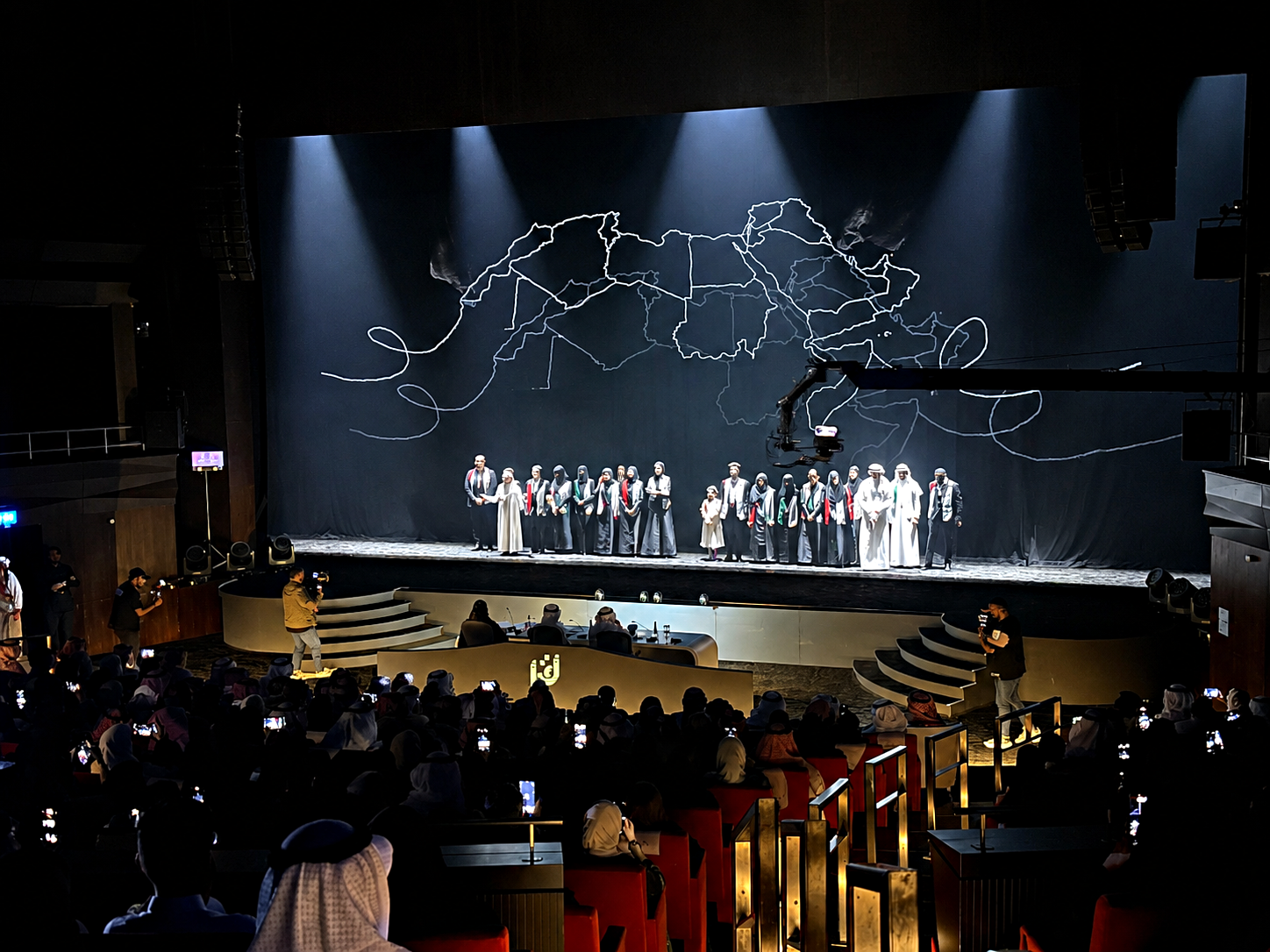
Opening day is when the planning becomes a live experience.
Before visitors arrive, the team should check booths, screens, lighting, signage, printed materials, registration areas, and technical systems.
During the exhibition, the team monitors visitor flow, staff performance, technical elements, suppliers, and operational requirements.
A professional exhibition management team can respond quickly to unexpected situations while maintaining the overall visitor experience.
Stage 6: Evaluate the Results
Exhibition management does not end when the event closes.
After the exhibition, organizations can review attendance, interactions, meetings, inquiries, and overall results against the original objectives.
Photos, videos, interviews, and other content generated during the exhibition can also continue to support marketing campaigns and social media communication.
Conclusion
Exhibition setup is an integrated process that starts with defining objectives and planning the space, continues through booth design, production, and installation, and extends to opening-day management and post-event evaluation.
At KNOW, we approach every exhibition as a complete experience that requires clear planning, precise execution, and attention to detail.
Explore KNOW’s exhibition setup and management solutions and turn your exhibition concept into a fully executed experience.